Construction growth across Cambodia continues to rise, with more high-rise buildings, industrial facilities, bridges, and infrastructure projects appearing across urban and developing areas. This expansion brings a stronger need for reliable height safety systems that protect workers operating above ground level. One of the most effective solutions for controlled movement and fall prevention is the Overhead Lifeline in Cambodia.
The Overhead Lifeline in Cambodia supports workers who must move across elevated work zones while staying connected to a secure anchoring system. It plays a central role in reducing fall risks during construction, maintenance, inspection, and repair activities. As project complexity increases, safety systems like the Overhead Lifeline in Cambodia become a core requirement rather than an optional feature.
Groxx Gears supports industrial safety needs through engineered fall protection systems designed for demanding environments. Solutions related to the Overhead Lifeline in Cambodia are built for strength, consistency, and dependable performance across different site conditions.
What Is an Overhead Lifeline System in Cambodia
The Overhead Lifeline in Cambodia is a height safety setup designed to allow continuous protection while a worker moves across an elevated structure. It typically consists of a fixed overhead cable or rail anchored securely to structural points.
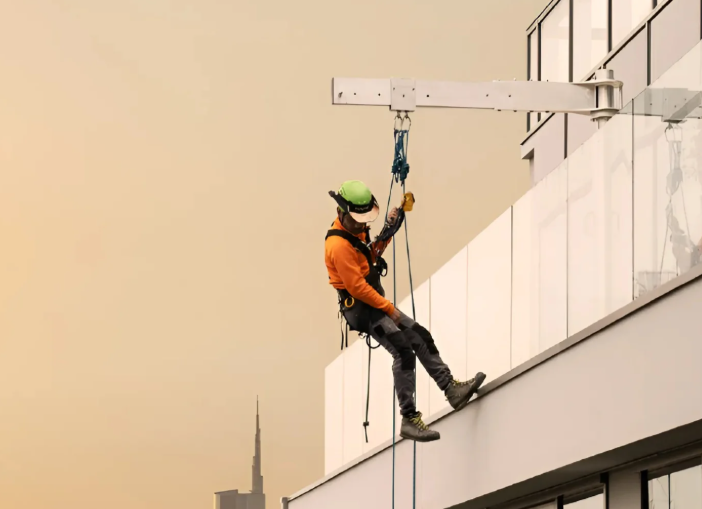
Workers attach a full-body harness to a sliding connector that moves along the lifeline. This setup ensures that protection remains active throughout movement, reducing the risk of exposure to open edges or fall zones.
A standard Overhead Lifeline in Cambodia system includes:
- Anchor points fixed to structural steel or concrete
- Horizontal cable or rail line spanning the work area
- Energy-absorbing components that reduce impact force during a fall
- Connectors that move along the system without detachment
This arrangement supports controlled mobility while maintaining continuous connection to a safety line.
Importance of Overhead Lifeline in Cambodia Construction Sector
Construction activity across Cambodia includes high-rise residential towers, commercial buildings, industrial plants, and infrastructure expansion. Many of these projects require workers to operate at height for extended periods.
The Overhead Lifeline in Cambodia plays a major role in reducing accidents linked to slips, missteps, or unstable surfaces. It also supports safer workflow during tasks such as steel installation, roofing, façade work, and equipment servicing.
Key reasons the Overhead Lifeline in Cambodia is widely adopted:
- Height exposure remains constant across many construction tasks
- Workers need freedom of movement without disconnecting safety gear
- Accident prevention improves site productivity and reduces downtime
- Project owners place stronger focus on safety compliance standards
A properly designed Overhead Lifeline in Cambodia system supports safer operations while allowing work to continue efficiently at elevation.
Key Components of Overhead Lifeline in Cambodia Systems
Every Overhead Lifeline in Cambodia setup relies on carefully engineered parts that work together to maintain safety and stability.
Anchor Points
These are fixed structural connections that support the full system load. They must be installed on strong structural steel or reinforced concrete.
Lifeline Cable or Rail
This is the main pathway that runs across the working zone. It allows smooth movement of the connecting device.
Shuttles or Carriers
These components move along the lifeline and keep the worker connected at all times without needing to detach.
Energy Absorbers
These reduce impact force during sudden load events, helping protect both the structure and the worker.
Harness Connection Equipment
A full-body harness connects the worker to the system and distributes force evenly during movement or sudden load conditions.
Each Overhead Lifeline in Cambodia installation depends on correct selection and placement of these components to maintain system integrity.
Applications of Overhead Lifeline in Cambodia Projects
The Overhead Lifeline in Cambodia is used across many sectors where height safety is required.
High-Rise Construction
Workers use lifeline systems during steel framing, slab work, and façade installation.
Bridge and Infrastructure Projects
The Overhead Lifeline in Cambodia supports maintenance teams working on elevated road and bridge structures.
Industrial Facilities
Factories and processing plants use lifeline systems for equipment inspection and maintenance at height.
Roofing and Building Maintenance
Roof installation, repair work, and waterproofing tasks require continuous fall protection.
Telecommunication Towers
Technicians servicing towers depend on lifeline systems for controlled movement during climbing and installation tasks.
Each application of the Overhead Lifeline in Cambodia requires adjustments based on structure type and working conditions.
Engineering Quality and Material Strength in Overhead Lifeline in Cambodia Systems
Safety systems must perform under demanding conditions. The Overhead Lifeline in Cambodia depends on strong materials and precise engineering to maintain reliability.
Groxx Gears focuses on industrial-grade manufacturing methods that support safety systems used in high-risk environments. Components designed for the Overhead Lifeline in Cambodia often include high-strength alloys that resist deformation under load.
Key engineering factors include:
- Use of high-strength metals designed for structural stability
- Controlled heat treatment for improved toughness
- Resistance to wear during continuous movement
- Stable performance under dynamic load conditions
- Precision machining for consistent fit and alignment
These elements ensure that the Overhead Lifeline in Cambodia remains reliable even under heavy industrial use.
Design Considerations for Overhead Lifeline in Cambodia Installations
Each Overhead Lifeline in Cambodia system must be designed based on the specific conditions of the site.
Structural Layout
Anchor placement depends on building design and load-bearing capacity.
Worker Movement Path
The system must match how workers move across elevated areas to reduce restrictions.
Environmental Conditions
Heat, humidity, wind, and rainfall in Cambodia affect material selection and protective coatings.
Load Requirements
Systems must support both static and dynamic forces generated during worker movement or accidental falls.
Access Points
Entry and exit zones must allow safe connection and disconnection from the system.
Proper planning ensures that the Overhead Lifeline in Cambodia performs safely across different working environments.
Installation Process for Overhead Lifeline in Cambodia Systems
Installation of an Overhead Lifeline in Cambodia system follows a structured process to ensure stability and safety.
Site Inspection
Engineers evaluate structural strength and identify suitable anchor locations.
System Planning
A layout is created based on work zones and movement requirements.
Anchor Installation
Fixed points are secured to structural elements with certified fasteners.
Lifeline Setup
Cables or rails are installed and tensioned according to design requirements.
Load Testing
The system is tested under controlled conditions to confirm performance.
Final Safety Check
A final inspection ensures the Overhead Lifeline in Cambodia meets operational safety requirements before use.
Inspection and Maintenance of Overhead Lifeline in Cambodia Systems
Regular inspection helps maintain system reliability and worker safety.
Routine Checks
Visual inspection of cables, anchors, and connectors identifies early signs of wear.
Load Testing Schedule
Periodic testing confirms that the system still meets required strength levels.
Component Replacement
Worn parts are replaced before failure occurs.
Alignment Verification
System tension and alignment are checked to ensure smooth movement.
Maintenance routines help extend the service life of the Overhead Lifeline in Cambodia and maintain safe working conditions.
Safety Standards for Overhead Lifeline in Cambodia
The Overhead Lifeline in Cambodia must follow recognized safety practices for fall protection systems.
Key safety expectations include:
- Certified components tested for load performance
- Proper installation by trained personnel
- Compliance with international fall protection guidelines
- Regular documentation of inspections and maintenance
- Training for workers using the system
Following these standards ensures that the Overhead Lifeline in Cambodia remains dependable across different projects.
Groxx Gears Support for Overhead Lifeline in Cambodia Systems
Groxx Gears provides engineered components and safety systems that support height protection across industrial and construction sectors.
For the Overhead Lifeline in Cambodia, Groxx Gears focuses on:
- High-strength components designed for heavy-duty use
- Precision machining for stable system performance
- Fall protection equipment built for construction environments
- Access systems for high-rise maintenance and inspection work
These solutions support safer operations across Cambodia’s expanding construction landscape, especially where reliable overhead protection systems are required.
Strengthening Height Safety with Overhead Lifeline in Cambodia
Rising construction activity across Cambodia increases the need for reliable height safety systems. The Overhead Lifeline in Cambodia offers continuous protection for workers operating in elevated environments while supporting smooth movement across job sites.
With strong engineering design, proper installation, and consistent maintenance, the Overhead Lifeline in Cambodia becomes a key part of modern construction safety systems. Its role continues to grow as infrastructure development expands across the region.
FAQ: Overhead Lifeline in Cambodia
1. What is an Overhead Lifeline in Cambodia used for?
It is used to protect workers at height by keeping them connected to a fixed safety line while they move across elevated areas.
2. Where is Overhead Lifeline in Cambodia commonly installed?
It is commonly installed in high-rise buildings, industrial facilities, bridges, roofing projects, and tower structures.
3. How does Overhead Lifeline in Cambodia improve safety?
It reduces fall risk by keeping workers continuously attached to a secure anchoring system during movement.
4. What materials are used in Overhead Lifeline in Cambodia systems?
Most systems use high-strength steel cables, alloy components, and corrosion-resistant materials.
5. How often should Overhead Lifeline in Cambodia systems be inspected?
Inspection schedules depend on usage, but regular checks and periodic load testing are recommended for safety assurance.
6. Can Overhead Lifeline in Cambodia systems be customized?
Yes, systems are designed based on site structure, work requirements, and movement paths.