
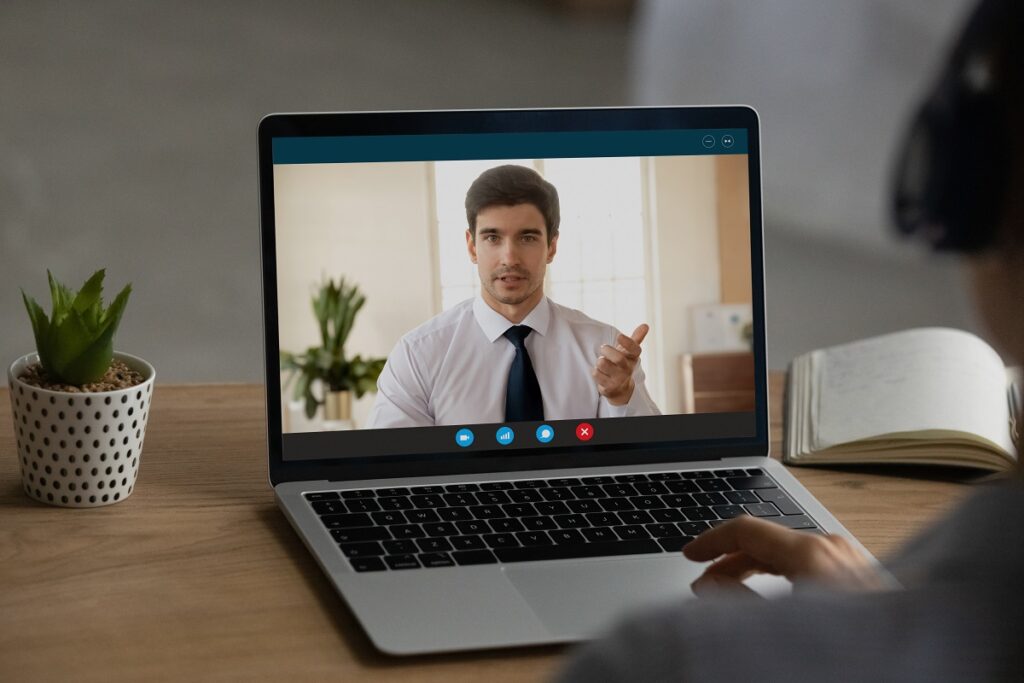
Market Overview of Remote Sales Closing Service
The demand for a remote sales closing service has grown rapidly as businesses shift toward digital-first and remote-first sales structures. Companies across industries are realizing that traditional in-house closing teams are no longer the only scalable option for revenue generation. Global competition and online customer behavior have made remote selling a necessity rather than an option. Businesses in the USA, UK, Canada, Australia, UAE, and Singapore are increasingly investing in specialized closing talent to improve conversion rates. This shift is largely driven by the need for cost efficiency and faster scaling capabilities. Organizations now prioritize performance-based sales systems over location-based hiring. As a result, remote closing services are becoming a core part of modern revenue operations.
The evolution of sales technology has also contributed to this transformation in how businesses approach closing deals. Companies are no longer limited by geography when hiring top-performing closers. Instead, they can access highly trained professionals from a global talent pool. This creates a competitive advantage for businesses that adopt remote closing systems early. The ability to operate across multiple time zones also allows for continuous sales activity. This ensures that leads are handled quickly and efficiently regardless of location. The overall market trend shows consistent expansion and increased adoption across both startups and enterprises.
Understanding Remote Sales Closing Service
A remote sales closing service refers to a structured system where trained professionals handle the final stage of the sales process from a remote location. These professionals focus exclusively on converting qualified leads into paying customers. Unlike general sales representatives, remote closers are specialized in persuasion, negotiation, and deal finalization. Their primary role is to maximize conversion rates from warm or hot leads. They operate using digital communication tools such as video calls, phone systems, and CRM platforms. This model allows businesses to maintain lean internal teams while still achieving high revenue performance. The structure is designed to eliminate inefficiencies in the closing stage of the sales funnel.
Remote closing services integrate seamlessly into existing sales ecosystems without disrupting current operations. They typically work alongside marketing teams and appointment setters to ensure a smooth lead flow. The process is highly structured to avoid missed opportunities or delayed responses. Businesses benefit from having experts who are trained specifically in closing techniques. These professionals understand buyer psychology and can adapt to different customer types. Their focus is not on prospecting but on conversion optimization. This specialization makes the remote sales closing service highly effective in high-ticket and competitive industries.
How Remote Sales Closing Service Works
The operational flow of a remote sales closing service is built around efficiency and conversion optimization. Leads are typically generated through marketing campaigns or inbound inquiries. Once qualified, these leads are handed over to remote closers or scheduled into sales calls. The closers then conduct structured conversations to understand customer needs and challenges. They present tailored solutions designed to align with the prospect’s goals. Objections are handled using proven sales frameworks and communication techniques. The final step involves closing the deal and ensuring payment processing or onboarding begins smoothly.
A well-structured system ensures that no lead is wasted and every opportunity is maximized. Communication between teams is managed through CRM systems for transparency and tracking. Performance is continuously monitored to improve conversion rates over time. The workflow is designed to reduce friction in the buyer journey. Businesses often implement standardized scripts while allowing flexibility for personalization. This balance ensures consistency while maintaining a human-centered approach. Overall, the system is built to turn interest into revenue efficiently.
Core Components of Remote Sales Closing Service
A successful remote sales closing service relies on several interconnected components that ensure smooth operation. These components work together to create a predictable and scalable revenue system. Each part plays a specific role in supporting the closing process. Businesses that integrate all components effectively often see higher conversion rates and better customer experiences.
Key components include:
- Trained remote sales closers with proven closing experience
- CRM systems for pipeline tracking and performance visibility
- Appointment setters or lead qualification systems
- Structured sales scripts and objection-handling frameworks
- Communication tools for calls, video meetings, and follow-ups
- Analytics dashboards for performance monitoring
- Payment and onboarding systems for seamless transaction flow
Each component contributes to the overall effectiveness of the system. Without proper integration, the closing process may become inconsistent or inefficient. Businesses that invest in these systems gain better control over their sales pipeline. This leads to improved forecasting and revenue predictability. The structure also supports scalability as demand increases. Companies can easily add more closers or leads without rebuilding the system. This flexibility is one of the key advantages of remote closing operations.
Benefits of Remote Sales Closing Service
The advantages of using a remote sales closing service extend far beyond simple cost savings. Businesses gain access to specialized expertise without the overhead of full-time in-house teams. This allows companies to allocate resources more efficiently while maintaining high performance. Conversion rates often improve due to the focused nature of professional closers. The system also reduces the time it takes to move leads through the sales pipeline. Faster conversions lead to improved cash flow and business growth. Additionally, companies can scale operations without geographic limitations.
Another major benefit is flexibility in workforce management. Businesses can adjust the size of their closing team based on demand. This prevents overstaffing during slow periods and underperformance during peak times. Remote closers are often experienced in handling high-ticket offers and complex sales cycles. This makes them particularly valuable in industries where trust and persuasion are critical. Companies also benefit from reduced training costs and faster onboarding. Overall, the model provides a strategic advantage in competitive markets.
Industries That Benefit Most
A wide range of industries benefit significantly from implementing a remote sales closing service. High-ticket industries tend to see the greatest impact due to the complexity of their sales processes. Businesses that rely on trust-based selling particularly benefit from expert closers. These industries require strong communication and negotiation skills to convert leads effectively. Remote closers bring experience and structure to these interactions.
Industries that commonly use this service include:
- SaaS and software subscription companies
- Coaching and consulting businesses
- Real estate investment firms
- Financial advisory and investment services
- Digital marketing agencies
- Online education and e-learning platforms
- Luxury product and premium service providers
Each of these industries relies heavily on high-value transactions. A single closed deal can significantly impact revenue performance. Remote closing services help maximize the value of each lead. This makes them an essential part of growth strategies in these sectors. Businesses operating in global markets also benefit from the ability to serve clients across different regions seamlessly.
Global Reach and Market Availability
The global nature of modern business makes remote sales closing service highly relevant across multiple regions. Companies in the USA and UK have been early adopters of remote sales systems. Canada and Australia have also seen rapid adoption due to growing digital business ecosystems. In the UAE, demand is driven by luxury services and high-value investment sectors. Singapore continues to expand its use of remote sales systems in tech-driven industries. These regions demonstrate how widespread the adoption has become.
Remote closing teams can operate across time zones without disruption. This ensures continuous sales activity and improved customer responsiveness. Businesses are no longer restricted by local hiring limitations. Instead, they can build international teams that align with their growth goals. This global flexibility creates a significant competitive advantage. It also allows companies to enter new markets more efficiently. As digital transformation continues, global adoption is expected to increase further.
Service Models in Remote Sales Closing
Different service models exist within the remote sales closing service ecosystem to meet varying business needs. Each model is designed to align with specific revenue goals and operational structures. Companies can choose the model that best fits their stage of growth. Flexibility in service structure allows businesses to optimize cost and performance.
Common service models include:
- Dedicated remote closers assigned exclusively to one brand
- Commission-based closers paid based on performance results
- Hybrid models combining salary and commission structures
- Agency-managed closing teams handling full sales operations
- Fractional closing services for startups and smaller businesses
Each model offers unique advantages depending on business size and complexity. Dedicated teams provide consistency and brand alignment. Commission-based models reduce fixed costs and improve performance incentives. Agency-managed systems offer end-to-end sales support. Fractional services allow flexibility for early-stage companies. Businesses can transition between models as they scale. This adaptability makes the system highly versatile.
Technology Stack Behind Remote Sales Closing Service
Technology plays a central role in enabling remote sales closing service operations. Without the right tools, managing distributed sales teams would be inefficient. CRM systems are essential for tracking leads, deals, and performance metrics. Communication tools ensure seamless interaction between teams and prospects. Automation tools help streamline follow-ups and reminders. Video conferencing platforms enable personalized sales presentations. Payment systems ensure smooth transaction processing.
The integration of technology ensures that every stage of the sales process is tracked and optimized. AI-driven analytics are increasingly being used to improve conversion forecasting. Businesses can identify bottlenecks and optimize their sales funnel. Cloud-based systems allow global teams to collaborate in real time. This reduces delays and improves decision-making speed. Overall, technology enhances efficiency and transparency across the entire system.
Traits of High-Performing Remote Sales Closers
Successful remote sales closers share several important characteristics that contribute to their effectiveness. These traits are essential for handling high-value conversations and complex negotiations. Strong communication skills are at the core of their success. They must be able to build trust quickly with prospects. Emotional intelligence plays a key role in understanding customer needs. Adaptability allows them to handle different industries and offer types.
Key traits include:
- Strong persuasion and communication ability
- Deep understanding of buyer psychology
- Confidence in handling objections
- Consistency in follow-up execution
- High emotional intelligence during conversations
- Discipline in using CRM systems
- Ability to work independently in remote environments
These traits ensure that closers can perform at a high level regardless of industry. Businesses that hire based on these qualities often see better results. Training can enhance skills, but mindset and discipline are equally important. This combination creates high-performing sales professionals.
Pricing Structures and Cost Models
Pricing within a remote sales closing service varies depending on structure and performance expectations. Businesses can choose from multiple compensation models based on their goals. Commission-based structures are common for performance-driven environments. Retainer models provide stability and consistent access to talent. Hybrid models combine fixed payments with performance incentives. Pricing is also influenced by industry complexity and deal size.
High-ticket industries often require more experienced closers, which affects cost. However, the return on investment is typically higher due to larger deal values. Businesses must evaluate pricing based on overall revenue impact rather than upfront cost alone. A well-structured pricing model aligns incentives between business and closer. This ensures both parties are focused on maximizing conversions. Transparent pricing structures also improve long-term collaboration.
Choosing the Right Remote Sales Closing Provider
Selecting the right provider for a remote sales closing service requires careful evaluation. Businesses should assess experience, systems, and performance history. A strong provider will have structured onboarding and training processes. Transparency in reporting is also essential for tracking performance. The quality of communication between teams is another important factor. Scalability should be considered for future growth needs.
Providers should also demonstrate experience in relevant industries. This ensures that closers understand the specific challenges of the business. A strong CRM integration system is another key requirement. Businesses should also evaluate how leads are handled and distributed. Consistency in sales messaging is critical for brand alignment. Choosing the right partner can significantly impact revenue outcomes.
Common Mistakes in Remote Sales Closing Implementation
Many businesses face challenges when implementing a remote sales closing service due to avoidable mistakes. One common issue is focusing too heavily on cost rather than quality. Poor lead qualification often results in wasted time and effort. Lack of structured onboarding can reduce performance efficiency. Inconsistent messaging across teams can confuse prospects. Businesses also sometimes fail to track performance metrics effectively.
Another major mistake is not integrating proper CRM systems. Without tracking, it becomes difficult to optimize the sales process. Some companies also fail to provide clear sales scripts or frameworks. This leads to inconsistent closing results. Overlooking training and performance monitoring can also reduce effectiveness. Avoiding these mistakes improves overall system performance significantly.
Implementation Roadmap for Remote Sales Closing Service
Implementing a remote sales closing service requires a structured approach to ensure success. Businesses must first define clear revenue goals and target markets. The next step involves designing a strong offer and pricing structure. CRM systems must then be set up to manage leads efficiently. Hiring or onboarding trained closers follows this stage. Sales workflows and communication systems must also be established.
Pilot testing is often used to evaluate performance before full-scale rollout. Adjustments are made based on conversion data and feedback. Once optimized, the system can be scaled to handle larger volumes. Continuous improvement ensures long-term success. Businesses that follow structured implementation processes achieve better results. This approach reduces risk and improves performance consistency.
Key Performance Indicators in Remote Closing Systems
Tracking performance is essential in any remote sales closing service. Key performance indicators help businesses measure effectiveness and optimize operations. Without proper tracking, it becomes difficult to identify areas for improvement. These metrics provide insights into both individual and team performance.
Important KPIs include:
- Lead-to-call conversion rate
- Call-to-close ratio
- Average deal value
- Sales cycle duration
- Revenue per closer
- Follow-up engagement rate
- Customer acquisition efficiency
Monitoring these metrics allows businesses to refine their sales strategy. It also helps identify high-performing closers and optimize training programs. Data-driven decision-making improves overall revenue outcomes. Consistent tracking ensures long-term scalability and success.
Frequently Asked Questions
What is a remote sales closing service
It is a professional system where trained closers work remotely to convert qualified leads into paying customers using structured sales processes and digital communication tools.
How does remote closing improve conversion rates
It improves conversion rates by using specialized closers who focus only on final-stage sales conversations and objection handling.
Is remote sales closing suitable for small businesses
Yes, small businesses can benefit by using flexible service models that scale based on revenue and lead volume.
What industries use remote sales closing services
Industries such as SaaS, coaching, consulting, real estate, finance, and digital marketing commonly use this service.
Can remote sales teams work globally
Yes, remote sales teams operate across international markets including the USA, UK, Canada, Australia, UAE, and Singapore.
What tools are needed for remote closing
CRM systems, communication platforms, video conferencing tools, and automation software are commonly used.
How are remote sales closers paid
They are typically compensated through commission-based, retainer-based, or hybrid payment structures depending on the business model.
Takeaway
A remote sales closing service provides businesses with a scalable and efficient way to convert leads into revenue without the limitations of geography or traditional hiring models.