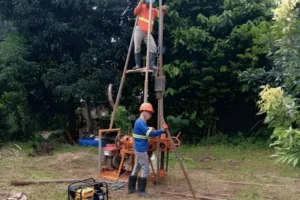
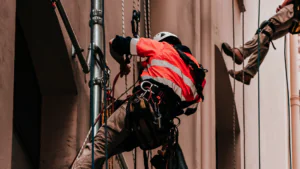
Work at height carries serious risk across construction sites, warehouses, factories, transport facilities, rooftops, and building maintenance projects. One missed connection point or poorly planned movement path can expose a worker to a dangerous fall. A properly selected Overhead Lifeline in Australia gives workers a secure attachment route while allowing practical movement across a defined work zone.
GROXX GEARS supplies heavy-duty safety equipment for demanding Australian work environments. Its product range covers fall protection systems, rigging gear, precision fasteners, and building maintenance access solutions. Each category supports a clear goal: helping crews perform high-risk tasks with dependable equipment built for challenging conditions.
An Overhead Lifeline in Australia may support work above machinery, vehicles, production areas, loading zones, roofs, or maintenance platforms. Correct design depends on the structure, task, worker count, clearance, movement path, and rescue plan. For that reason, site assessment should come before product selection.
What Is an Overhead Lifeline System?
An overhead lifeline system provides an attachment point above a worker. Approved body-worn safety equipment connects to the system through approved fall protection equipment, such as a lanyard, traveller, trolley, or self-retracting lifeline. The worker can then move across an approved path while remaining connected.
Overhead systems may use cables, rigid rails, fixed anchors, or a combination of components. Each option suits different work patterns. Cable systems can cover long travel routes. Rail systems can support frequent movement along a fixed path. Fixed anchors may suit tasks performed at one defined position.
Placement above the worker can help reduce free-fall distance when compared with a lower connection point. It may also reduce the risk of a worker striking nearby structures, equipment, or lower surfaces. These benefits depend on correct design, compatible components, proper training, and enough clearance below the work zone.
An Overhead Lifeline in Australia should never be treated as a stand-alone product choice. It forms part of a complete fall protection plan that also covers safe access, worker competency, rescue procedures, equipment checks, and site supervision.
Why Australian Worksites Need Overhead Fall Protection
Australian worksites often require workers to move above open edges, vehicles, machinery, storage racks, roofs, or service areas. Guardrails or platforms may not suit every task, especially where access routes change or where equipment blocks standard protection methods.
An Overhead Lifeline in Australia can create a defined connection path above the work area. This supports continuous attachment where the system allows movement through a traveller or trolley. Workers can focus on the assigned task without repeated disconnection at each point along the route.
Warehouses may need protection above trucks, trailers, or loading bays. Manufacturing plants may require access above production equipment. Construction crews may work across structural frames or roof areas. Maintenance teams may need safe routes for inspections, repairs, cleaning, or equipment servicing.
GROXX GEARS focuses on equipment made for high-demand sites where reliability matters. High-strength materials, accurate manufacturing, and careful component selection can help support long service life when equipment receives correct care and regular checks.
Common Uses for an Overhead Lifeline in Australia
An Overhead Lifeline in Australia can support many industries and work tasks. Warehouses may use overhead systems where staff access truck tops, trailers, storage zones, or loading equipment. Logistics sites may need secure worker movement above tankers, containers, or rail assets.
Factories often require technicians to service machinery from above. A fixed access route can support regular inspections, repairs, lubrication tasks, cleaning, and part replacement. Rail-based systems may suit repeated movement across the same service area, while cable systems may suit longer spans.
Construction projects may require overhead fall protection during steel work, roofing, equipment fitting, structural repairs, or temporary access. Each stage can present different anchor needs, so system planning should account for changing site conditions.
Building maintenance teams may work on roofs, facades, glazing, suspended platforms, or access equipment. GROXX GEARS also supplies building maintenance systems and suspended access solutions for facade cleaning, glass replacement, and structural checks. An overhead lifeline may form one part of that wider access plan.
Transport facilities, aircraft service areas, bus depots, heavy vehicle workshops, and rail yards may also benefit from overhead attachment systems. Such sites often have large equipment below the worker, making fall clearance and movement control especially important.
Cable, Rail, and Fixed Anchor Options
Cable-based overhead lifelines offer flexible coverage across long work zones. They may suit warehouses, loading areas, factories, or construction spaces where workers need broad side-to-side movement. Proper cable tension, end anchorage, intermediate supports, and clearance calculations are essential.
Rigid rail systems use a fixed track with a moving trolley. They can provide smooth travel along a repeated route and may suit facilities where maintenance tasks occur often. Rail systems can also limit line deflection compared with some cable arrangements, though final performance depends on design and fitting.
Fixed overhead anchors suit work performed at a specific location. A technician servicing one machine, vehicle, hatch, or access point may not need a long travel path. Correct anchor placement remains critical because poor positioning can create excessive reach, swing risk, or restricted movement.
Choosing an Overhead Lifeline in Australia requires more than comparing product types. A suitable choice should reflect the actual task, structure, number of users, available clearance, environmental exposure, and rescue needs.
Benefits of a Properly Planned Overhead Lifeline
A well-planned system supports practical worker movement. Instead of connecting and disconnecting repeatedly, a worker may travel along an approved route while attached to a mobile connection point. This can support safer task flow across long or complex work areas.
Overhead positioning may reduce free-fall distance. A shorter fall can lower forces placed on the worker and system, provided every component matches the design requirements. It can also reduce the chance of contact with nearby structures or equipment.
An Overhead Lifeline in Australia can support recurring maintenance. Facilities with regular roof access, machinery servicing, truck-top work, or facade care may benefit from a permanent system rather than temporary arrangements for every task.
A clear connection route also supports stronger site planning. Supervisors can define approved access points, travel zones, user limits, equipment requirements, and rescue procedures. Workers gain a clearer understanding of where attachment must occur and how movement should proceed.
GROXX GEARS offers fall protection solutions aimed at demanding work environments. Its broader range of rigging products, fasteners, and building access equipment can support projects where several safety and structural components must work together.
Factors That Shape System Design
Every worksite presents different conditions. Structure strength comes first because anchors and support points must carry expected loads. A roof, beam, gantry, frame, or support arm may require assessment before any equipment can be fitted.
Worker movement also affects design. A short service task at one point has different needs from a maintenance route covering a full production line. The number of workers matters too, since user capacity affects anchors, cables, rails, supports, and rescue planning.
Fall clearance must be checked carefully. Designers need to consider worker position, connector length, device operation, system deflection, body-support stretch, and objects below. Swing risk also needs review, especially where the anchor sits far from the worker’s vertical position.
Environmental conditions can affect material choice. Coastal exposure, chemicals, moisture, dust, heat, and frequent washing may influence corrosion resistance and maintenance needs. Outdoor systems also face weather changes and long-term exposure.
An Overhead Lifeline in Australia should also account for future changes. New machinery, roof equipment, storage systems, vehicle types, or facade features can alter access routes. Early planning can help reduce costly changes later.
Choosing the Right Overhead Lifeline for Your Site
Start by listing every task performed at height. Record where workers enter the area, where they move, what tools they carry, and which surfaces or hazards sit below. This creates a practical picture of the required coverage.
Next, review possible support structures. Beams, roof members, frames, gantries, and custom supports may offer suitable locations, subject to qualified assessment. The final route should keep the connection point close to the worker’s path while reducing swing exposure.
Consider task frequency. Daily truck loading work may justify a permanent rail or cable system. Occasional service work may suit fixed anchors or another controlled arrangement. Frequent use also raises the importance of easy inspection, smooth travel, and simple equipment handling.
Check compatibility across all components. Body-worn safety gear, lanyards, self-retracting lifelines, connectors, trolleys, and anchors must match the system. Combining equipment without proper confirmation can affect performance.
Rescue planning should be completed before work starts. A fall arrest system may stop a fall, but the worker still needs prompt recovery. Access equipment, trained personnel, communication methods, and rescue tools should form part of the site plan.
GROXX GEARS can support project planning by supplying industrial-grade fall protection products suited to different structures and tasks. An Overhead Lifeline in Australia from a capable provider should be selected around actual site needs rather than a generic product list.
Engineering Quality and Material Strength
Fall protection equipment may face repeated movement, high loads, vibration, weather, dust, moisture, and chemical exposure. Material strength and manufacturing accuracy therefore matter greatly.
GROXX GEARS places strong focus on high-strength alloys, heat-treatment processes, and accurate production. Such methods support components designed for heavy industrial service. Fasteners, brackets, rails, cables, travellers, and anchor assemblies must work as a complete system.
Precise manufacturing can support smooth traveller movement, secure component fit, and predictable operation. Poor fit or low-grade materials may lead to wear, unwanted movement, noise, corrosion, or difficult operation.
An Overhead Lifeline in Australia should receive the same level of engineering attention as any critical structural or mechanical system. Product quality, system design, fitting, user training, inspection, and maintenance all contribute to dependable performance.
GROXX GEARS Fall Protection and Access Solutions
GROXX GEARS supplies heavy-duty industrial solutions for Australian construction, maintenance, manufacturing, and access projects. The company’s range covers fall arrest systems, horizontal and vertical lifelines, rigging gear, precision fasteners, and building maintenance equipment.
No two structures share the same layout. Roof shape, access points, beam locations, facade form, machinery placement, and worker routes can differ greatly. GROXX GEARS supports site-specific fall protection systems planned around those conditions.
For high-rise buildings and complex facades, the company also offers suspended access solutions for cleaning, glass replacement, inspection, and structural work. These systems may connect with wider roof safety and maintenance access planning.
Selecting an Overhead Lifeline in Australia through GROXX GEARS gives project teams access to a supplier focused on demanding industrial applications. The aim is simple: provide equipment that supports safe, controlled work where mistakes can carry serious consequences.
Overhead Lifelines for Warehouses and Loading Areas
Warehouses and distribution centres often require workers to access truck tops, trailers, containers, storage racks, or loading equipment. These tasks may place staff several metres above the floor, vehicle deck, or surrounding structures.
An overhead cable or rail can create a controlled travel route across a loading bay. Workers may connect before entering the exposed area and remain attached while carrying out loading checks, securing cargo, opening hatches, or completing maintenance.
System placement should reflect the range of vehicle heights and stopping positions. A connection point placed too far from the worker may create swing exposure. A system positioned too low may also restrict movement or increase fall distance.
Vehicle movement creates another concern. Site procedures should prevent a truck, trailer, or machine from moving while a worker remains connected above it. Clear communication between drivers, supervisors, and workers supports safer operations.
An Overhead Lifeline in Australia designed for warehouse use should account for traffic flow, structural supports, loading schedules, equipment clearance, worker numbers, and emergency access.
Overhead Lifelines for Manufacturing Facilities
Manufacturing plants may have large machines, conveyors, processing equipment, tanks, and service platforms that require regular maintenance. Workers may need access above equipment to inspect parts, replace components, complete repairs, or remove blockages.
Traditional platforms may not fit every location. Machinery layouts can also change as production requirements develop. An overhead system may provide a practical connection route where other protection methods prove difficult.
Rail systems can suit repeated maintenance routes where technicians follow the same path. Cable systems may support longer production areas or zones requiring greater flexibility. Fixed points may work for single service positions.
Dust, heat, oils, moisture, cleaning products, and chemical exposure may affect equipment selection. Materials and finishes should match site conditions, while inspection schedules should reflect use frequency and environmental exposure.
A carefully planned Overhead Lifeline in Australia can support maintenance work without placing unnecessary barriers around production equipment. GROXX GEARS can provide equipment suited to heavy-duty industrial environments where durability and reliable performance matter.
Building Maintenance and Facade Access
Modern buildings often feature complex facades, glass panels, roof structures, recessed areas, and architectural features. Maintenance teams may require secure access for cleaning, repairs, glass replacement, sealant work, testing, or structural checks.
Roof safety planning should consider how workers reach the work zone, where they connect, how they move, and how they transfer between systems. A secure route from the roof entry point to the work location helps reduce exposure before the main task begins.
GROXX GEARS offers building maintenance systems and suspended access solutions for high-rise structures and complex facades. Such equipment can support facade cleaning, window work, structural assessment, and repair activities.
An Overhead Lifeline in Australia may support building maintenance units, roof access zones, gantries, or service platforms. Final design should reflect building geometry, worker movement, equipment loads, facade access needs, and rescue requirements.
Inspection and Maintenance Requirements
Regular checks help keep a lifeline system ready for use. Workers should examine visible components before each task. Damage, corrosion, frayed cable, loose hardware, distorted parts, missing labels, or difficult trolley movement should be reported.
Scheduled inspection by a qualified person should cover anchors, support structures, rails, cables, brackets, travellers, connectors, tension, alignment, and identification markings. Records should show inspection dates, findings, repairs, and next review dates.
Any equipment exposed to a fall event should be removed from service until properly assessed. Components may carry hidden damage even when no major defect can be seen.
Cleaning and maintenance should follow product guidance. Harsh chemicals, incorrect tools, unapproved replacement parts, or poor storage can affect service life. Outdoor and coastal sites may need closer attention due to moisture and corrosion exposure.
An Overhead Lifeline in Australia is only dependable when the full system receives proper care. A strong product cannot compensate for missed checks, damaged connectors, poor training, or unsuitable user practices.
Worker Training and Safe System Use
Even a well-designed lifeline can fail to protect workers when equipment is used incorrectly. Training should cover system entry points, approved travel routes, connection methods, user limits, equipment checks, and emergency actions.
Workers should understand which equipment matches the lifeline. They should also know how to identify damaged connectors, worn lanyards, faulty travellers, and other problems before starting a task.
Supervisors should confirm that each worker understands system limitations. A lifeline designed for one route should not be used to access an unapproved area. Workers should never extend their reach beyond the planned work zone or connect unauthorised components.
Refresher training may be needed after site changes, equipment replacement, system alteration, or a long period without use. Clear signage and written procedures can support consistent practices.
An Overhead Lifeline in Australia works best when quality equipment, worker knowledge, supervision, and rescue planning receive equal attention.
Rescue Planning for Fall Arrest Systems
Stopping a fall represents only one part of the response. A suspended worker may face serious health risks when recovery takes too long. Every worksite using fall arrest equipment should have a practical rescue process.
The rescue plan should identify who leads the response, which equipment will be used, how emergency services will be contacted, and how rescuers will reach the worker. The plan should also account for machinery, traffic, restricted access, weather, and other site hazards.
Rescue equipment should remain accessible whenever work occurs. Workers and supervisors should know its location and understand how to operate it. Practice exercises can help teams identify gaps before an actual emergency occurs.
An Overhead Lifeline in Australia should be planned together with the rescue method. Anchor position, work height, equipment below, and access routes can all affect how recovery takes place.
Common Planning Mistakes to Avoid
One common mistake involves choosing equipment before studying the work area. A product may look suitable on paper yet fail to provide enough coverage, clearance, or movement once fitted.
Poor anchor placement can force workers to stretch away from the connection point. This may increase swing risk or make tasks harder to complete. Another mistake involves ignoring objects below the work zone, such as machinery, racks, vehicles, or structural members.
Some sites fail to consider user capacity. A system designed for one worker may not support several users at once. Others combine connectors, body-worn safety gear, trolleys, or devices without confirming compatibility.
Rescue planning also receives too little attention. Stopping a fall does not complete the safety process. The site must have a workable method for reaching and recovering the worker promptly.
Skipping inspection records creates another problem. Without clear records, managers may not know whether equipment has been checked, repaired, or exposed to a fall.
A properly assessed Overhead Lifeline in Australia helps reduce these risks by matching system design to real tasks, site conditions, and worker needs.
Questions to Ask Before Selecting a System
Project teams should ask how many workers need to connect at once. They should also confirm the length and direction of each worker route, the available support structures, and the required fall clearance.
Ask which components suit the proposed system. Approved full-body safety gear, a lanyard, self-retracting lifeline, connector, trolley, or traveller may be required depending on the task.
Inspection and maintenance needs should also be clear. Project teams need to know who can inspect the system, how often checks are required, which parts can be replaced, and how records should be managed.
Future changes deserve attention as well. New machinery, building work, roof equipment, storage racks, or vehicle types may alter the work route. A system that supports future site plans may offer better long-term value.
GROXX GEARS can help project teams assess these factors before choosing an Overhead Lifeline in Australia.
Why Choose GROXX GEARS?
GROXX GEARS serves projects where dependable equipment matters. Its focus on heavy-duty engineering, material quality, accurate manufacturing, and industrial performance supports demanding construction and maintenance work.
The company supplies more than one product category. Project teams can source fall protection equipment, rigging gear, fasteners, and building access systems through a provider familiar with high-risk applications.
Site-specific planning also matters. GROXX GEARS recognises that worker routes, structures, loads, hazards, and access needs differ across projects. That approach supports better product selection and clearer system planning.
For contractors, safety managers, building owners, and maintenance teams seeking an Overhead Lifeline in Australia, GROXX GEARS offers practical solutions backed by a strong focus on reliability and worker protection.
Protect Work at Height with the Right System
Safe work at height depends on more than body-worn safety gear and an anchor point. The full plan should cover structure strength, worker movement, compatible equipment, fall clearance, rescue access, training, inspection, and maintenance.
An Overhead Lifeline in Australia can support controlled movement across roofs, factories, warehouses, loading areas, construction zones, and building maintenance routes. The best system is one designed around the actual task and fitted to a suitable structure.
GROXX GEARS provides industrial fall protection and access solutions for Australian projects where performance cannot be left to chance. Careful planning and dependable equipment can help crews complete high-risk tasks with greater confidence.
Frequently Asked Questions
What is an overhead lifeline?
An overhead lifeline is a fall protection system positioned above a worker. The worker connects through approved body-worn safety equipment plus a connector, traveller, trolley, lanyard, or self-retracting lifeline. The system supports movement across a defined work route while maintaining attachment.
Where can an Overhead Lifeline in Australia be used?
Common locations include warehouses, factories, loading bays, construction sites, rooftops, workshops, rail facilities, transport depots, maintenance areas, and building access zones. Final suitability depends on structure strength, task requirements, clearance, and system design.
What is the difference between fall restraint and fall arrest?
Fall restraint aims to stop a worker from reaching a fall edge. Fall arrest aims to stop a fall after it starts. Some work areas may require one method, while others may need a combination of controls.
Can several workers use one overhead lifeline?
That depends on system design and user rating. Anchor points, rails, cables, supports, and rescue plans must account for the maximum number of connected workers. User limits should always be clear before work begins.
Does an overhead lifeline need regular inspection?
Yes. Workers should complete pre-use checks, while scheduled inspections should be carried out by a qualified person. Systems exposed to a fall event should be removed from service until assessed.
Are overhead lifelines suitable for warehouses?
Yes, subject to proper design. Warehouses may use these systems above loading bays, trailers, trucks, storage zones, and equipment service areas. Clearance and obstructions below must receive careful review.
Can GROXX GEARS provide site-specific fall protection solutions?
GROXX GEARS provides fall protection systems planned around different structures, access routes, worker movements, and operational needs. Its range includes horizontal and vertical lifelines, overhead systems, suspended access solutions, and related industrial equipment.
What equipment connects to an overhead lifeline?
Typical components may include approved full-body safety gear, a lanyard, self-retracting lifeline, connector, trolley, or traveller. Every part should be compatible with the chosen system and task.
How should a company choose an Overhead Lifeline in Australia?
A company should assess work tasks, movement paths, support structures, user numbers, fall clearance, environmental exposure, rescue needs, and inspection requirements. Product selection should follow that assessment rather than come before it.
Why choose GROXX GEARS for an Overhead Lifeline in Australia?
GROXX GEARS focuses on heavy-duty industrial products, accurate manufacturing, strong materials, and site-specific safety solutions. Its broader range also covers rigging gear, fasteners, and building maintenance access systems, giving project teams support across several critical work areas.